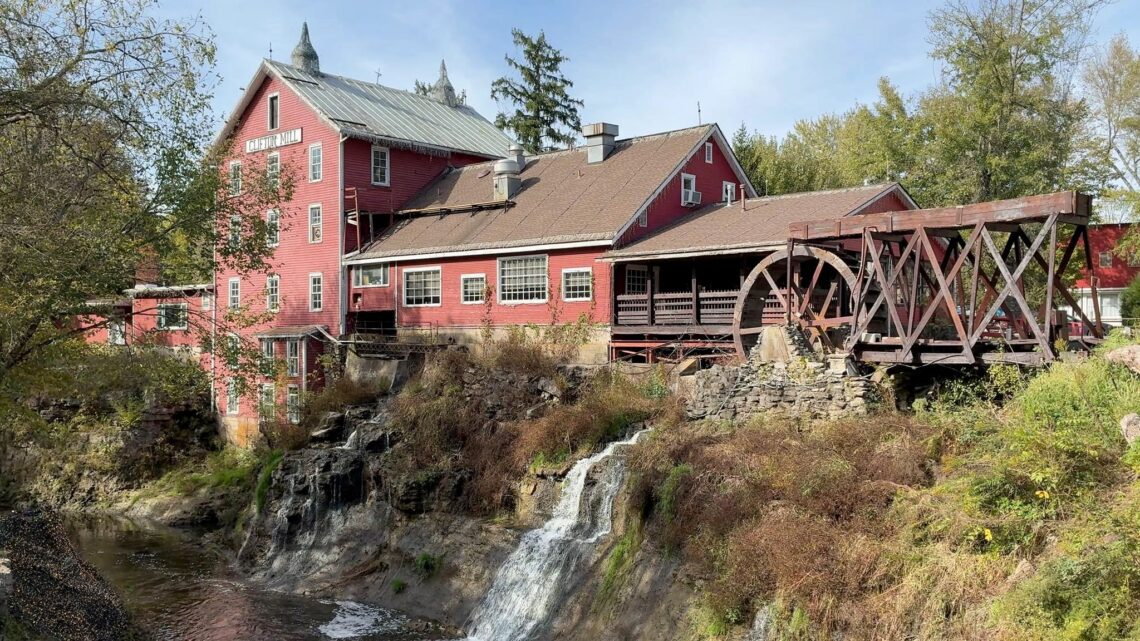
Nestled along the banks of the Little Miami River, Clifton Mill is one of Ohio’s most charming and historic destinations. Built in 1802, the mill is one of the oldest continuously operating grist mills in the state and offers visitors a step back in time. The sound of rushing water, the massive wooden water wheel, and the rustic stone buildings create a setting that feels both peaceful and nostalgic. Inside, Clifton Mill is filled with character—from the working mill machinery and historic displays to the cozy country store stocked with old-fashioned treats, baking mixes, and unique gifts. The mill is especially famous for its hearty breakfasts and lunches, where guests…
-
-
Leo Petroglyphs Ray Ohio
The Leo Petroglyphs, nestled within the Leo Petroglyph State Memorial in Jackson County, Ohio, are a remarkable testament to the ancient inhabitants of the region and their rich cultural heritage. These prehistoric rock carvings, dating back over a thousand years, depict various symbols and figures, offering insights into the beliefs and practices of the indigenous peoples who once called this land home. Etched into a sandstone outcrop along the Ohio Brush Creek, the Leo Petroglyphs feature motifs such as human figures, animals, geometric shapes, and abstract symbols. While the exact meanings of these carvings remain shrouded in mystery, they are believed to have held significant spiritual and ceremonial importance for…
-
Serpent Mound
Serpent Mound, nestled in rural Adams County, Ohio, is a captivating ancient earthwork etched into the landscape. This effigy mound, shaped like a giant serpent, undulates over 1,300 feet, its form best appreciated from an aerial view. Believed to have been constructed by the indigenous peoples of the area, likely the Adena culture around 1000 BCE to 300 CE, its purpose remains shrouded in mystery. The significance of Serpent Mound sparks endless speculation among archaeologists and historians. Some theories suggest it served as an astronomical observatory, aligning with celestial events such as solstices or equinoxes. Others propose it held religious or ceremonial importance, reflecting the spiritual beliefs of its creators.…
-
World’s Largest Horseshoe Crab
The world’s largest horseshoe crab, a colossal sculpture standing proudly in Hillsboro, Ohio, is a testament to both artistry and natural fascination. This magnificent structure, towering at an impressive 14 feet tall and weighing over 3,000 pounds, captures the essence of this ancient marine creature in stunning detail. Located in front of the Southern State Community College, this larger-than-life representation celebrates the region’s connection to the prehistoric creature, which has roamed the Earth’s oceans for millions of years. Despite its name, the horseshoe crab is not a true crab but is more closely related to spiders and scorpions, making it a fascinating subject for both science and art. Crafted from…
-
Washington Court House Ohio 1894 Riot
2 Bullet Holes in the door still today. The 1894 Washington Court House riot occurred in Ohio on October 17, following the arrest and trial of William “Jasper” Dolby, an African American man accused of assaulting a white woman. A mob gathered outside the courthouse, demanding Dolby’s lynching. To protect Dolby, the sheriff and his deputies took him to the second floor, but tensions escalated. The Ohio National Guard, ordered by Governor William McKinley, was called in to disperse the crowd. When the mob attempted to storm the courthouse, the guardsmen opened fire, resulting in five deaths and multiple injuries, marking a tragic instance of violence in U.S. history.